
Category: Uncategorized
-

Powered by Nature: Biochar’s Remarkable Rise in Electronics
Biochar, a carbon-rich material derived from sustainable lignocellulosic biomass, is emerging as a versatile and eco-friendly solution in the world of electronics. This post explores the environmental benefits and technical advantages that are propelling biochar’s innovative applications in power storage and beyond. 🌏 Environmental Benefits of Lignocellulosic Biochar 1️⃣Carbon Sequestration: Biochar is a stable, carbon-rich…
-
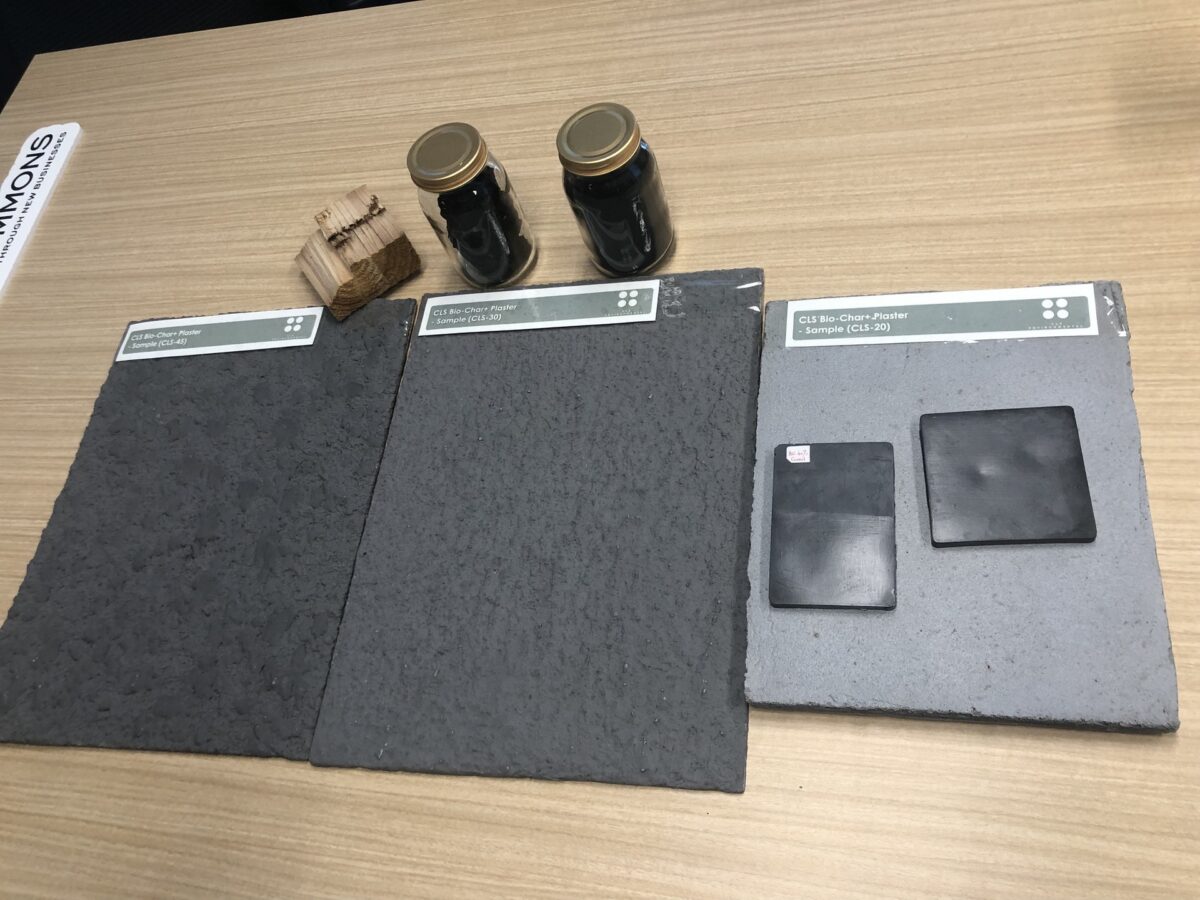
初創企業研發木廢料變耐用新建材 擬申用於皇后山公屋 (Interview by HK 01)
獲選入新世界發展 (New World Development) 初創企業加速計劃(Impact Kommons)項目的公司Carbon Lite System (CLS) , 成功研發將廢棄木材,以加熱等方式變為生物碳,繼而轉為環保建築材料,擬申請用於新世界旗下協興建築負責的皇后山公營房屋建築工地。 新世界發展旗下初創企業加速計劃,為初創企業提供支持,以集團龐大網絡及資源協助其業務及方案商品化,其中一項是對環境保護有貢獻。 Carbon Lite System (CLS) Environmental Technologies 為計劃旗下其中一間初創企業,研究將廢棄木材變為新材料。創辦人之一、行政總裁梁培煇指出,他們將廢木材透過加熱等方式變為生物碳(biochar),再製作成建築材料,十分耐用。 梁培煇表示,在建築材料中加入生物碳,可減少混凝土的比例,以減少碳排放,而且生物碳的建材具有低熱導、低密度,以及吸收揮發性有機化合物的特性。 與協興建築集團合作,計劃向房屋署申請生物碳建材的使用許可,希望可用於協興負責的皇后山公營房屋建築工地,成為首個生物碳建材的建築項目。 原文網址: 初創企業研發木廢料變耐用新建材 擬申用於皇后山公屋 | 香港01 https://www.hk01.com/article/635708?utm_source=01articlecopy&utm_medium=referral
-
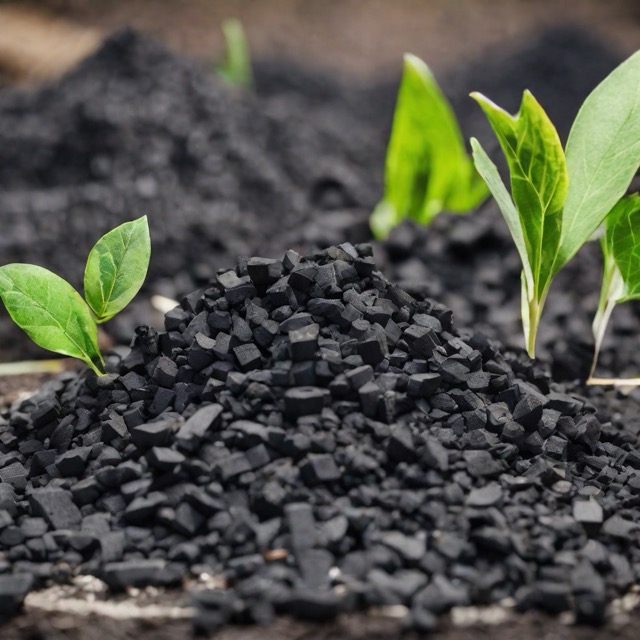
Emerging Applications of Biochar for a Sustainable Future
Biochar has gained significant attention in recent years for its wide-ranging environmental benefits. Derived from biomass through pyrolysis, biochar is a porous carbon-rich material that can improve soil quality and sequester carbon from the atmosphere. Beyond its agricultural uses, biochar shows great potential in addressing other pressing sustainability challenges through emerging innovative applications. This article…
-
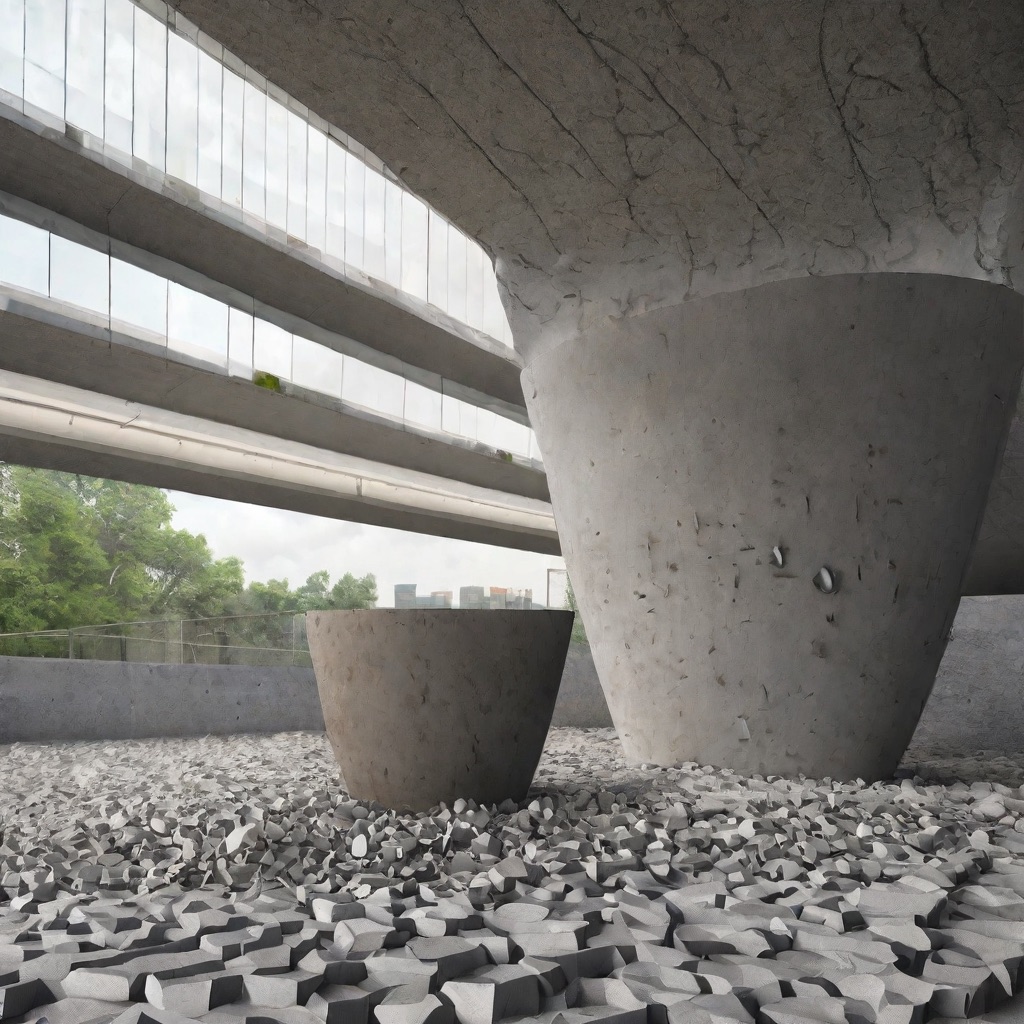
Waste into Graphene: A Sustainable Revolution in Construction
CLS Environmental Technologies upcycles wood waste into high-value graphene additives, reducing costs, improving material performance, and lowering the construction industry’s carbon footprint.